
Last updated November 23, 2026
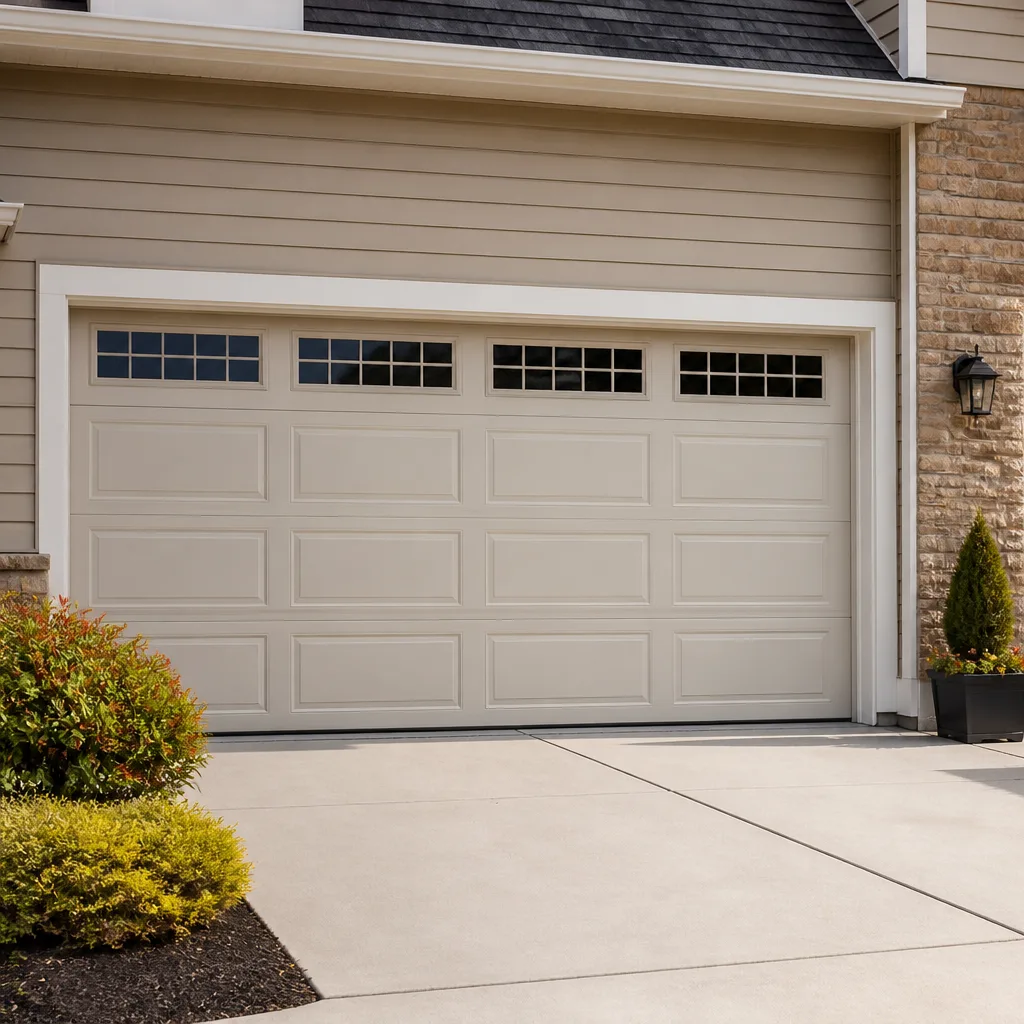 Raised-panel steel
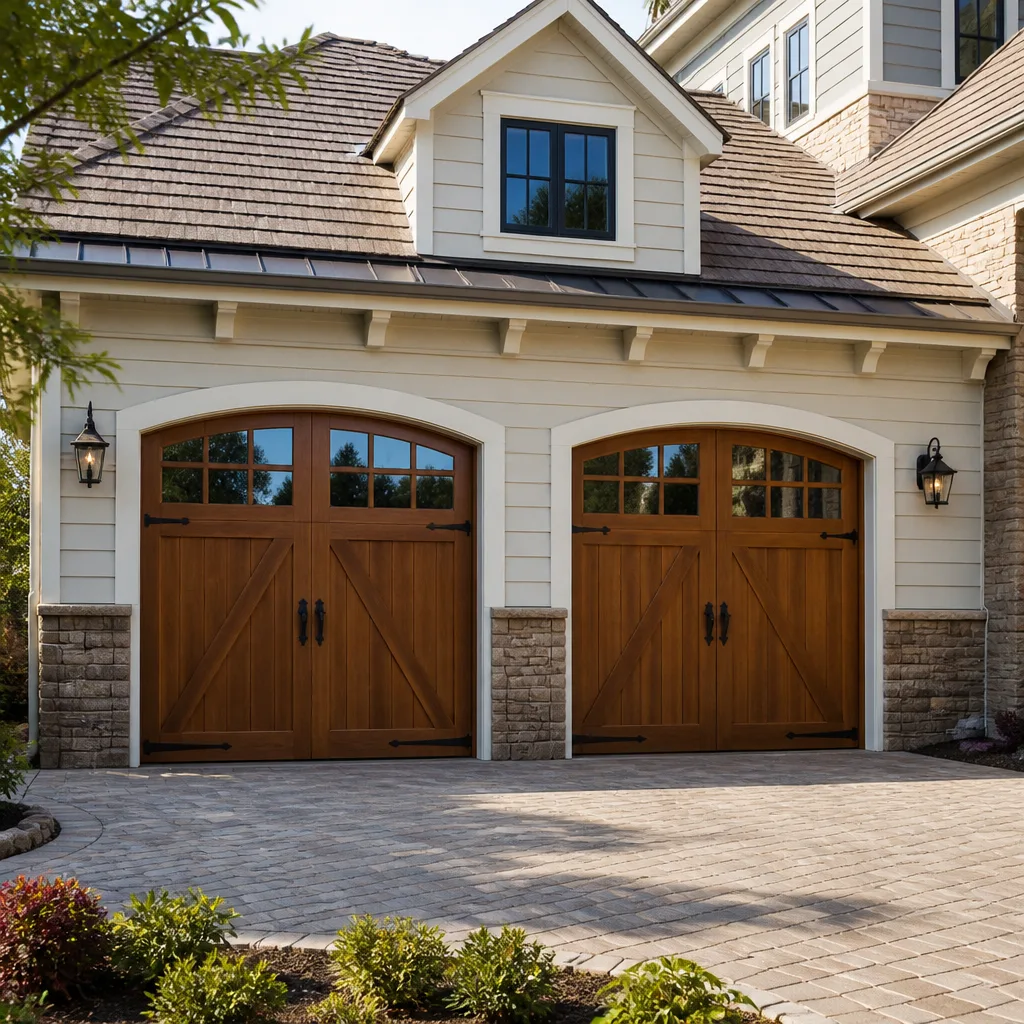 Carriage house
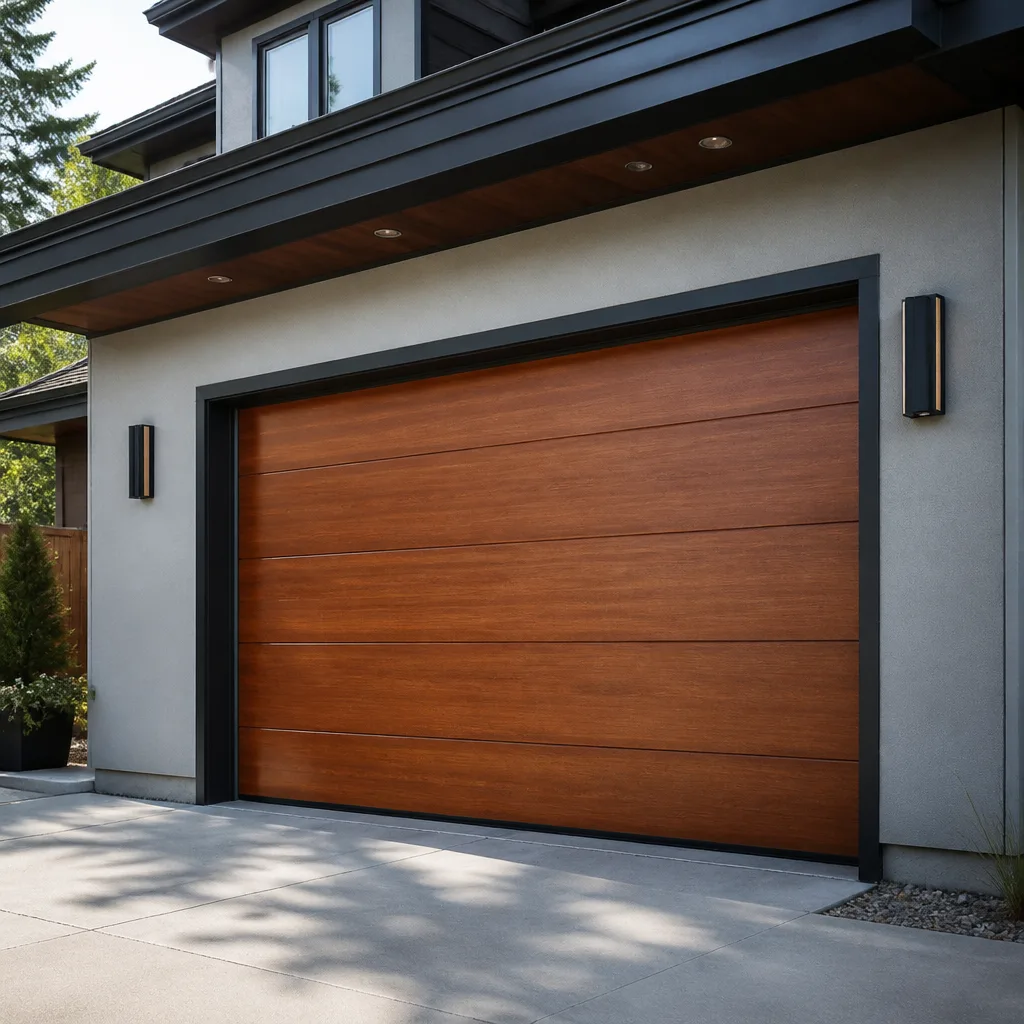 Modern flush
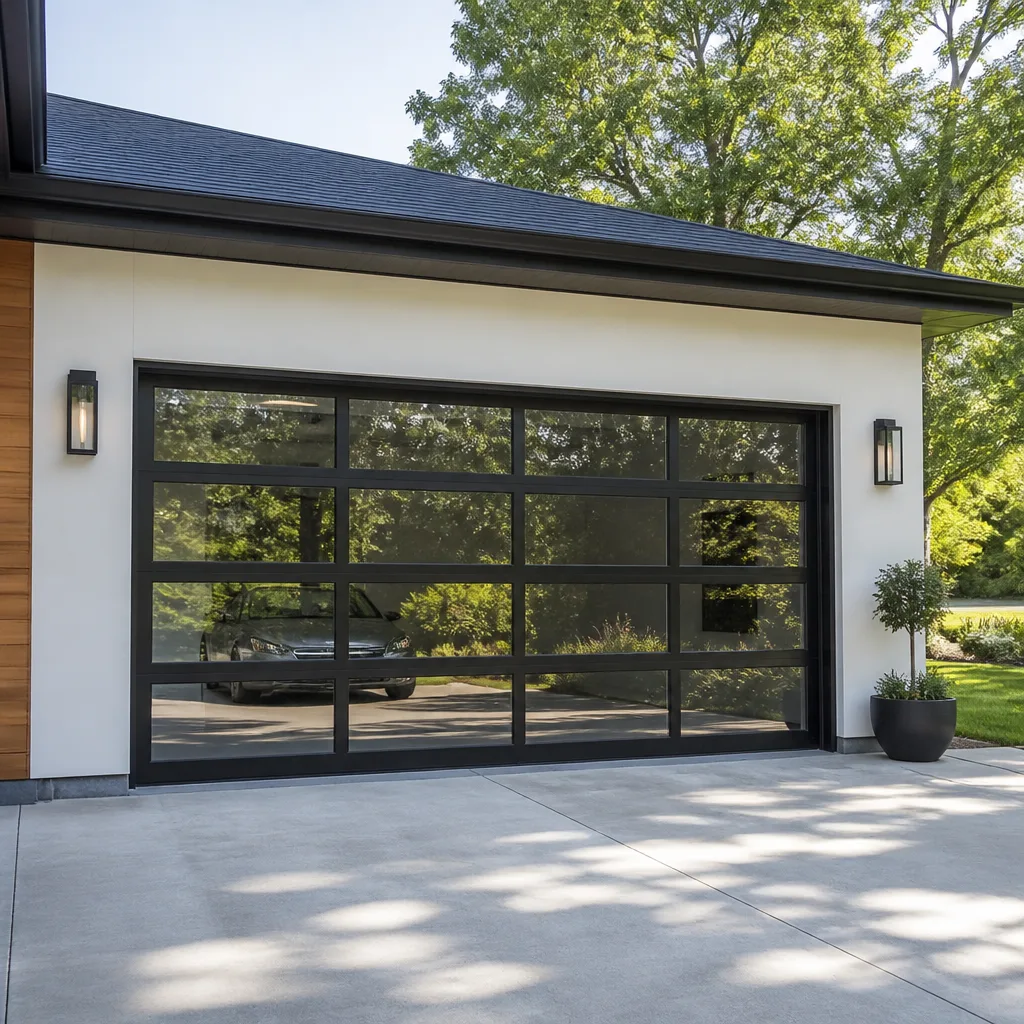 Full-view glass
 LiftMaster openers
 Chamberlain openers
Full 25-point door and opener safety check with every visit - springs, cables, rollers, tracks, and your LiftMaster or Chamberlain opener included
You get a price before we start. It does not change when the pro arrives.
Get your free estimateSeasonal Garage Door Care for Apopka: Year-Round Homeowner’s Guide
Telling an Apopka homeowner to winterize a garage door is a bit like telling them to shovel the driveway. It doesn’t fit. There’s no snow to prepare for, no freeze-thaw damage to the slab you’d see up north, no salt to rinse off in spring. Most seasonal garage door advice you’ll find online was written for a climate that isn’t ours, and it misses the two things that actually stress a door in Central Florida.
We treat the year differently. Apopka runs on a wet season that hammers seals and hardware from May through October, and a dry, mild stretch where cooler air tightens metal and throws opener settings off. This guide walks through both, season by season, with the checks that matter in Apopka’s weather and the ones that don’t. By the end you’ll know what to look at, what to leave alone, and when to pick up the phone.
Quick Answer
Seasonal garage door care in Apopka comes down to two seasons, not four: prepare before the wet season arrives in May, monitor opener and spring behavior through the July-August heat, and reset limits and lubricate as the dry, cooler months settle in from November through March. The single highest-value task every year is a full cable inspection, because cables are what fail first in humid climates and cable failure is behind the two most common emergency calls we run in Apopka. Get that one check right and you’ve prevented the majority of problems before they start.
Styles & brands we work with
- Raised-panel steel
- Carriage house
- Modern flush
- Full-view glass
- LiftMaster openers
- Chamberlain openers
Table of Contents
- Why Apopka’s Climate Breaks the Four-Season Rule
- Pre-Wet-Season Prep: What to Check in May
- Mid-Summer: How Heat Above 95°F Affects Your Opener and Springs
- Post-Storm Inspection: After a Named Storm or Severe Thunderstorm
- Dry Season Care: Why Cooler Air Throws Off Your Limits
- The One Annual Task: A Full Cable Inspection
- Your Apopka Garage Door Care Calendar
- Common Mistakes to Avoid
- When to Call a Professional
- Frequently Asked Questions
Why Apopka’s Climate Breaks the Four-Season Rule
Nearly every garage door maintenance article you’ll find maps its advice to spring, summer, fall and winter. That framework assumes a climate with a hard freeze, and Apopka doesn’t have one. Our winters are mild enough that the door never sits through weeks of sub-freezing temperatures, and our summers are wet enough that humidity is the dominant force acting on the door, not heat alone. The result is a maintenance calendar with two very different halves.
Here’s what that means in practical terms:
- The wet season (roughly May to October) drives daily afternoon thunderstorms, sustained humidity, and long stretches where steel hardware never fully dries out. This is when seals swell, bottom brackets hold moisture, hinges and rollers stiffen, and untreated hardware starts to show surface rust.
- The dry season (roughly November to March) brings cooler air and lower moisture. The threat flips from rust to contraction: metal panels shrink slightly, springs hold tension differently, and openers that were dialed in during summer can start reversing before they hit the floor or stopping short of it.
Apopka sits in that band of Central Florida where summer heat is long and humidity is relentless, and a garage attached to the house becomes a humidity trap. Warm, damp air migrates in and condenses on the coolest metal in the room: your door tracks, hinges, and springs. That condensation is why Apopka garage door hardware ages differently than hardware in a drier climate. It’s also why the checks that matter most here are the moisture and tension checks, not the snow-and-ice ones. Knowing which half of the year you’re in tells you which checks to run.
Pre-Wet-Season Prep: What to Check in May
May is the last calm month before the daily storms return. Once afternoon thunderstorms become routine, any weak point in your weatherstripping, seals, or bottom brackets gets tested a few times a week. The pre-season pass is about closing up the door so water and humid air stay outside where they belong.
Work through these steps before the wet season settles in:
- Inspect the bottom seal and threshold seal. Run your hand along the rubber that meets the floor and look for cracks, flattening, or gaps when the door is closed. A worn bottom seal lets standing water and humid air under the door every storm. Replace it if it’s brittle or torn.
- Check the perimeter weatherstripping. Look at the vinyl or rubber strips along the sides and top where the door meets the frame. Gaps here are where wind-driven rain gets in. Any strip that’s pulled loose or cracked should be reattached or replaced before storm season.
- Examine the bottom brackets and hinges for corrosion. Moisture collects at the lowest points. Surface rust on hinges and bottom brackets is a sign that hardware needs attention; heavy rust or weakened brackets need replacing, and brackets should only be serviced by a trained technician because they carry spring tension.
- Lubricate rollers, hinges, and springs. A garage door lubricant, not grease or household oil, applied to the hinges, rollers, and spring coils keeps moisture-sensitive parts moving freely and pushes water off the metal.
- Test the door balance. Disconnect the opener and lift the door halfway by hand. A balanced door stays where you leave it. A door that sinks or rises on its own has a tension problem that will get worse in humid weather.
- Clear debris and check drainage around the door. Make sure the ground outside the door slopes away from the opening and the tracks aren’t sitting in a low spot where water pools.
- The door feels heavier lifting by hand than it did in spring.
- The opener strains or runs longer to open the door.
- You hear a thunk or bang when the door opens or closes.
- A visible gap or separation in one of the spring coils.
- Look for debris on tracks and in the opening. Branches, leaves, and roof granules can land in the tracks or on the threshold. Clear debris from the opening and wipe the tracks clean.
- Check the tracks for dents or misalignment. Stand inside and sight down each track. It should be straight. A track that’s been struck or shifted will bind the rollers and should be realigned by a technician, not pried back by hand.
- Inspect panels for dents, cracks, and impact. Hail is uncommon in our part of Central Florida, so most panel damage here comes from wind-driven debris, not hail. Look for dents, cracks, and panel separation along the seams. Severe damage to a panel isn’t only cosmetic; a compromised panel weakens the door’s structure.
- Test the safety sensors. Storm vibration can shift the photo-eye sensors at the bottom of the tracks. Wave an object in front of them with the door closing; if the door doesn’t reverse, they need realigning.
- Re-lubricate after exposure. If the door got wet, reapply lubricant to hinges and rollers once it’s dry.
- Run the door a full cycle and listen. A new rattle, grind, or squeal after a storm is your cue to have it looked at.
- Watch for short closing or early reversing. If the door touches down halfway or reverses without hitting anything, the down limit needs adjusting.
- Recheck the door balance. Cooler temperatures change spring tension slightly. Test balance by hand with the opener disconnected; a door that used to sit at halfway and now sinks has a tension issue to address before the mechanism gets worked over.
- Re-lubricate the moving parts. Dry air plus dry hardware equals friction. A light reapplication of garage door lubricant on hinges, rollers, and pivots keeps the mechanism smooth as the humidity drops.
- Inspect weatherstripping for cracking. Cool, dry air hardens rubber and vinyl. This is when brittle weatherstripping is easiest to spot and cheapest to replace, well before the wet season returns.
- Test the auto-reverse. Place a block of wood on the floor under the door and close it. The door should reverse on contact. If it doesn’t, that’s a safety adjustment worth having a technician make.
- Look for fraying at the drum and bottom bracket. A few broken strands at the drum end of the cable are a warning. Any visible fraying means the cable is compromised.
- Check for slack or uneven tension. A cable that’s loose or one side tighter than the other has a tension problem that needs a technician.
- Look for rust and discoloration. Surface rust on the cable is common; rust that’s pitted into the wire is not, and means replacement.
- Inspect the bottom brackets for wear. The bracket where the cable attaches is a high-stress point. A worn or bent bracket should be replaced, and only a trained technician should do it.
- Confirm the safety cable is in place. On extension-spring doors, a safety cable should run through the spring to contain it if it breaks. If it’s missing or loose, that’s a real safety gap.
- January – March (dry season): recheck opener limits, watch for early closing or reversing, re-lubricate moving parts, inspect weatherstripping for cracking, test auto-reverse.
- April: final pre-season pass, clear debris around the opening, confirm drainage slopes away from the door.
- May (pre-wet-season): full inspection of bottom seal, perimeter weatherstripping, hinges, and bottom brackets; lubricate the door; test balance.
- June – September (wet season): check seals after heavy storms, keep tracks clear of debris, watch for stiff hardware and surface rust.
- July – August (peak heat): listen for spring strain, test lift weight by hand, watch the opener for erratic behavior.
- October: post-storm inspection if a significant weather event occurred, recheck the door balance.
- November – December (dry season begins): reapply lubricant, check limits, plan the winter cable inspection if you haven’t already.
- Once a year: full cable inspection by a trained technician.
- Treating the door like a northern door. Applying four-season advice that assumes snow and freeze-thaw misses the real threats here: humidity, condensation, and heat. Maintain for Apopka’s actual weather, not for a climate you don’t live in.
- Skipping the pre-wet-season pass. Waiting until after the storms start to check seals and weatherstripping means water has already found its way into the garage. The time to close up the openings is May, before the rain.
- Ignoring a spring that seems off. A spring that sounds wrong, has a visible gap, or makes the door feel heavy is not something to investigate yourself. Springs hold dangerous stored force. Have them checked by a trained technician.
- Assuming a limit problem means a broken opener. In the dry season, most of the “opener is broken” calls we get in Apopka turn out to be a limit setting that just needs adjusting. Check that first before you start pricing a new opener.
- Lubricating with the wrong product. Grease, cooking oil, and general-purpose sprays attract dirt and gum up the tracks. Use garage door lubricant on hinges, rollers, and springs, and keep the tracks clean and dry.
- Not inspecting cables because they look fine. Cables corrode from the inside and can look intact right up until they snap. Inspection is about what you can measure and feel, which is why it’s worth doing once a year.
- Testing a stuck door with the opener. If a door won’t run freely by hand, running the opener on it can damage the motor or the openers’s drive. Disconnect it and find out why first.
- A spring looks wrong, sounds wrong, or makes the door feel heavy. Springs are dangerous and should never be handled by a homeowner.
- Cables are frayed, rusted through, loose, or uneven.
- The door binds, jerks, or comes off its tracks.
- The opener reverses for no reason, stops short of the floor, or behaves erratically after a storm.
- A panel is dented, cracked, or separated, or the door is visibly damaged after severe weather.
Get this done in May and you head into the wet season with a door that’s sealed, lubricated, and balanced. Skip it and you spend the summer chasing water intrusion and stiff hardware one storm at a time. If any of these checks turn up something you can’t fix safely, that’s a good moment to schedule garage door repair before the worst of the season, rather than during it.
Mid-Summer: How Heat Above 95°F Affects Your Opener and Springs
July and August are the months that separate a well-maintained door from a neglected one. Sustained heat above 95°F, especially in a garage that gets afternoon sun, stresses two components more than any others: the opener’s electronics and the springs.
The opener. Garage door openers aren’t built to live in a garage that bakes past 95°F day after day. The circuit board, motor windings, and the safety sensors are all heat-sensitive. In a garage attached to the house, heat builds through the afternoon and doesn’t fully clear overnight. What you’ll notice first is small: a remote that occasionally needs a second press, a door that reverses for no obvious reason, or a light that flickers. Those are early signs of electronics under thermal stress. Belt-drive and chain-drive openers on LiftMaster and Chamberlain units respond to the same treatment: keep the opener housing clear of clutter, make sure vents aren’t blocked, and don’t ignore an opener that starts behaving erratically in August. If the problem persists, garage door opener repair catches it before the board fails outright.
The springs. Torsion springs hold enormous stored force, and heat is one of the factors that slowly reduces that force. A spring that’s already near the end of its cycle count is more likely to snap in the hottest stretch of the year. Watch for these signs:
Springs are the most dangerous component on a garage door, and this is not a job to attempt yourself. Any spring that looks or sounds wrong should be checked by a trained technician, period. Our own team works on springs every week, and the number one thing we tell Apopka homeowners is simple: don’t put your hands on a spring to “see if it’s okay.” Call it in.
Post-Storm Inspection: After a Named Storm or Severe Thunderstorm
Apopka sees its share of severe thunderstorms and the occasional named storm. After a big weather event, the garage door deserves a look even if it seems fine. Most storm-related damage doesn’t announce itself; it shows up as a door that binds, a track that’s been knocked a fraction out of plumb, or a sensor that’s shifted. A short inspection catches it early.
Run this checklist after any significant storm:
If anything looks off, it’s worth a call. We’re a dedicated garage door company that works on the brand you already have, whether that’s Clopay, LiftMaster, Genie, or another. Catching storm damage early usually means a simple adjustment. Ignoring it often means a track replacement or a panel replacement later.
Dry Season Care: Why Cooler Air Throws Off Your Limits
From November through March, the weather in Apopka turns mild and dry. That’s welcome for the homeowner but it’s a transition point for the door. As the air cools and humidity drops, metal contracts slightly. Panels, tracks, and the opener’s linkage all shift by tiny amounts. Those tiny amounts add up to a door that no longer behaves the way it did in summer.
The most common symptom is a limit setting that’s out of whack. On most openers, including Genie and LiftMaster models, the up and down limits tell the motor exactly where the door should stop. When the panel height or linkage shifts, the door may stop a few inches short of the floor or fail to close fully, then reverse because it thinks it’s hit an obstruction. In the cooler months, this is one of the most frequent service calls we get in Apopka, and it’s almost never a failure of the opener itself. It’s a limit adjustment.
What to check through the dry season:
A little attention in the dry season means the door is set up correctly when the rain returns. When a limit adjustment or a sensor realignment is beyond what you’d want to tackle, a short service visit handles it. Full garage door installation is rarely the answer; most of what we see is a setting, not a replacement.
The One Annual Task: A Full Cable Inspection
If you do only one thing this year, do this. A full cable inspection is the single most valuable annual task for an Apopka garage door, because cables are what fail first in our climate and cable failure causes the two most common emergency calls we run. Cables are under high tension and run from the bottom corners of the door up to the springs. In humid weather they corrode from the inside out, and where they meet the drum at the top they can fray in a way you won’t see until they go. The safety cables on extension-spring doors and the lifting cables on a torsion setup are both worth checking every year.
Here’s what a real cable inspection covers:
Cables are under spring tension. Never pull, test, or adjust a cable to see whether it holds; the wrong move can cause serious injury. Our technicians have up to 14 years of experience reading cable wear, and this is exactly the check we want you to have done once a year. If you can’t remember the last time it was done, do it now.
Your Apopka Garage Door Care Calendar
Here’s the whole year on one page. Keep this and you’ll stay ahead of the things that actually fail here.
The exact timing shifts with the weather each year, but the sequence holds. When you’re not sure whether a noise or a wobble is worth a visit, calling is the cheaper move. A free estimate will tell you whether you’re looking at an adjustment or a repair.
Common Mistakes to Avoid
When to Call a Professional
Some maintenance is yours to handle: keeping tracks clean, spraying lubricant, checking weatherstripping, and watching for changes. Other jobs belong with a trained technician because the risk isn’t worth it. Call us when:
Our technicians have up to 14 years of experience on the exact brands most Apopka homeowners already own, from LiftMaster and Chamberlain to Clopay and Genie. Garage doors are all we do, which means we diagnose the actual problem instead of guessing. Apopka Garage Door Repair Co offers free estimates in Apopka. Call (844) 443-4734. We answer 24/7. Fast dispatch from 7am to 7pm, Sunday through Friday.
Frequently Asked Questions
Once a year is the right rhythm for most Apopka homes, timed so the full cable inspection lands before the wet season starts in May. That single visit catches seal wear, cable trouble, and balance issues before the humidity both exposes them and makes them worse. If your door gets heavy afternoon sun or a lot of daily use, you’ll want to run the seasonal checks in between. Call (844) 443-4734 to schedule an estimate.
Yes, it’s the biggest environmental factor here. Summer humidity means your door’s steel hardware is spending the season fighting condensation, which causes hinges to stiffen, rollers to drag, and untreated hardware to rust. Seals harden and crack faster, and cables corrode. That’s why the pre-wet-season pass and the annual cable check matter more in Apopka than they would in a drier climate.
It’s most likely a limit setting that’s drifted. Cooler, drier air causes metal to contract slightly, and that changes where the door stops. If it’s stopping short of the floor or reversing before it hits anything, the down limit needs adjusting. That’s an adjustment, not a replacement. Call (844) 443-4734 for an estimate and we’ll confirm the cause before any work starts.
In almost every case, yes. We’re trained to service LiftMaster, Chamberlain, Genie, Clopay, Amarr, Wayne Dalton, Craftsman, and Raynor. Whether it’s a torsion-spring door from one manufacturer and an opener from another, we work on what’s already installed rather than steering you to a replacement you don’t need.
Run the post-storm inspection: clear debris from the tracks and opening, sight down the tracks for misalignment, check panels for dents and cracks, and test the safety sensors and auto-reverse. Then run the door a full cycle and listen. If you’re seeing binding, a rattle that’s new, or a sensor that won’t reverse the door, get it looked at before you use the door again.
Cleaning tracks, checking seals and weatherstripping, applying lubricant, and watching for changes are all safe for a homeowner. Anything involving springs, cables, the bottom brackets, or adjusting the opener’s mechanical limits is a job for a trained technician. If you’re unsure which category a problem falls into, calling for an estimate is the safe move.
The Bottom Line
Apopka doesn’t run on four seasons, and your garage door care shouldn’t either. Prep for the wet season in May, watch for heat and moisture through the summer, inspect after big storms, and use the dry months to reset limits and check weatherstripping. The one task that matters most is the annual cable inspection, because cables are what fail first in our humidity and cable failure is the reason most emergency calls happen. Handle seals, lubricant, and balance yourself, and bring in a technician for anything involving springs, cables, or adjustment. That rhythm keeps your door moving all year.
Ready to get ahead of the season?
Whether you want a free pre-wet-season inspection, a cable check, or help with a door that’s misbehaving after a storm, we’re set up for it. We work on the brand you already have, and garage doors are all we do. Call Apopka Garage Door Repair Co at (844) 443-4734 for a free estimate. We answer 24/7. Fast dispatch from 7am to 7pm, Sunday through Friday.
Written by the team at Apopka Garage Door Repair Co.
See the difference
 Before
 After
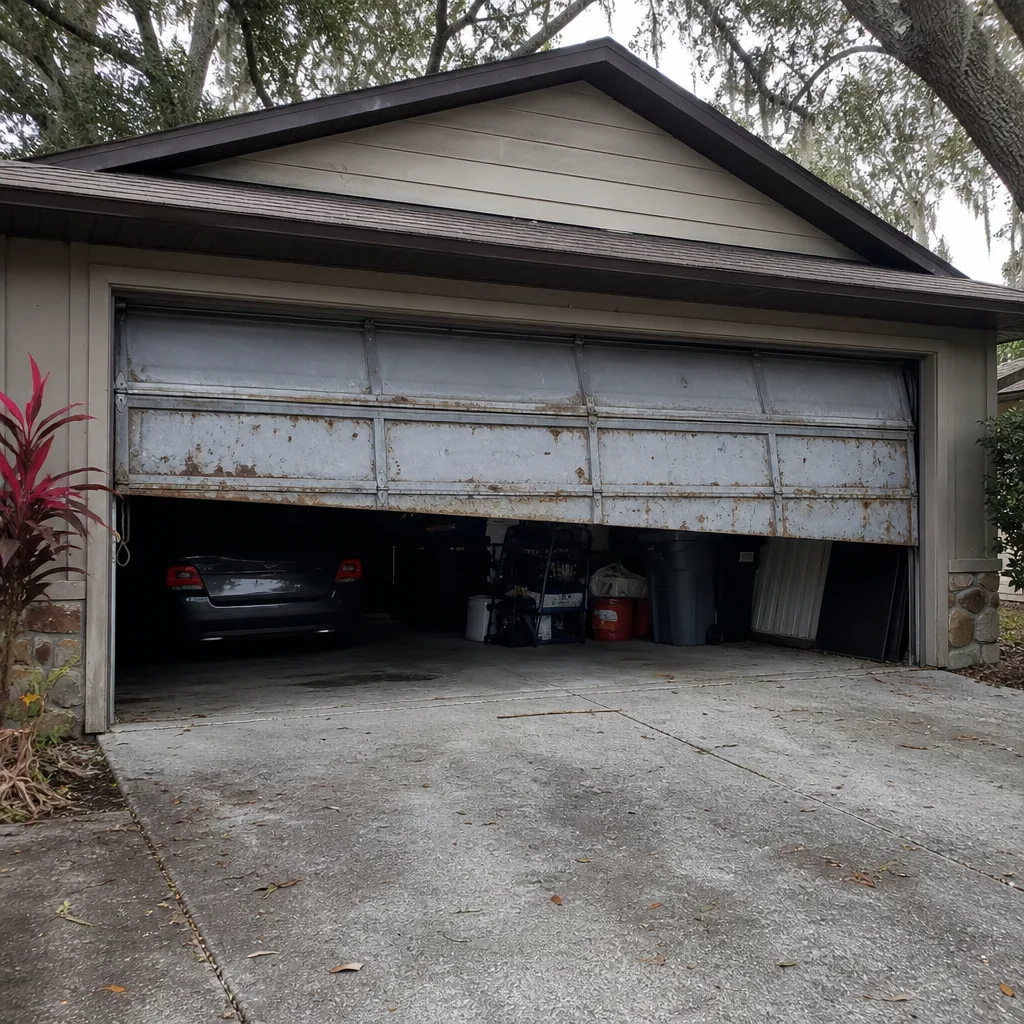 Before
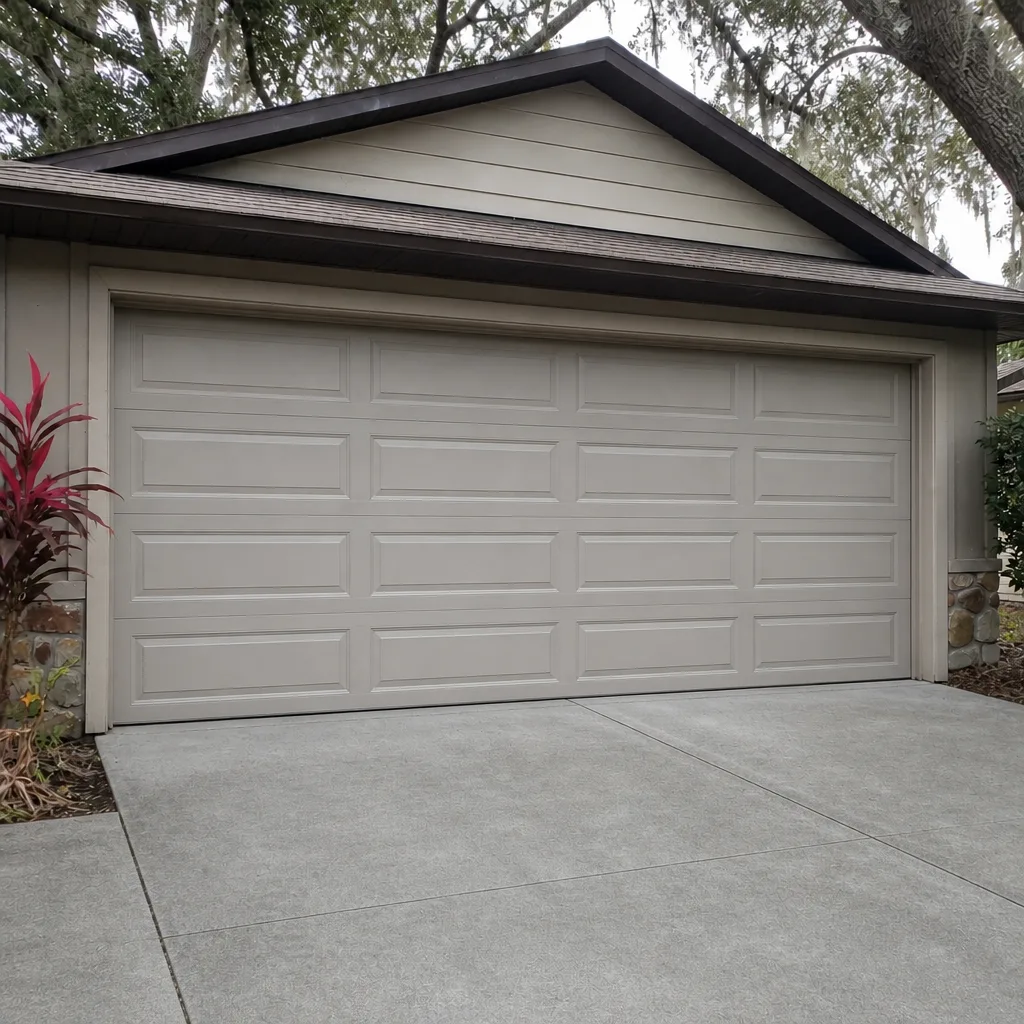 After
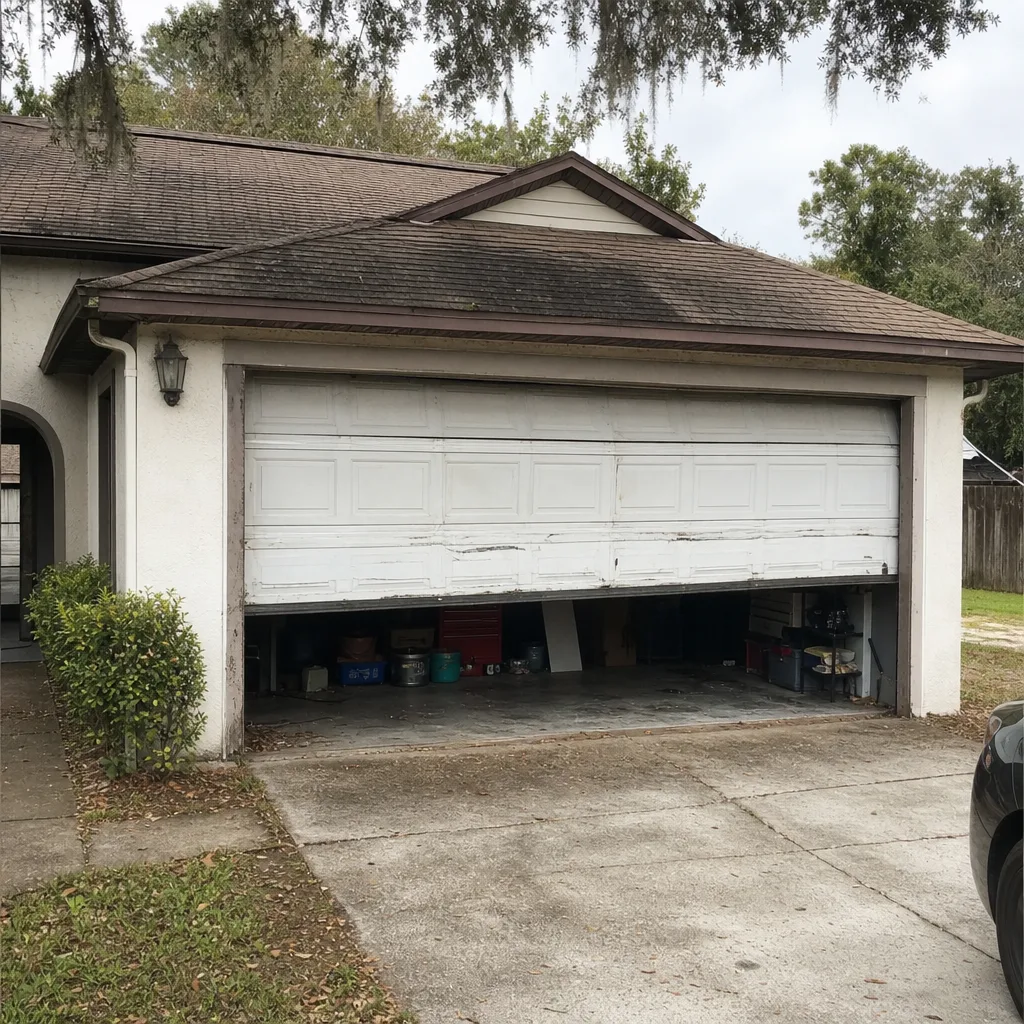 Before
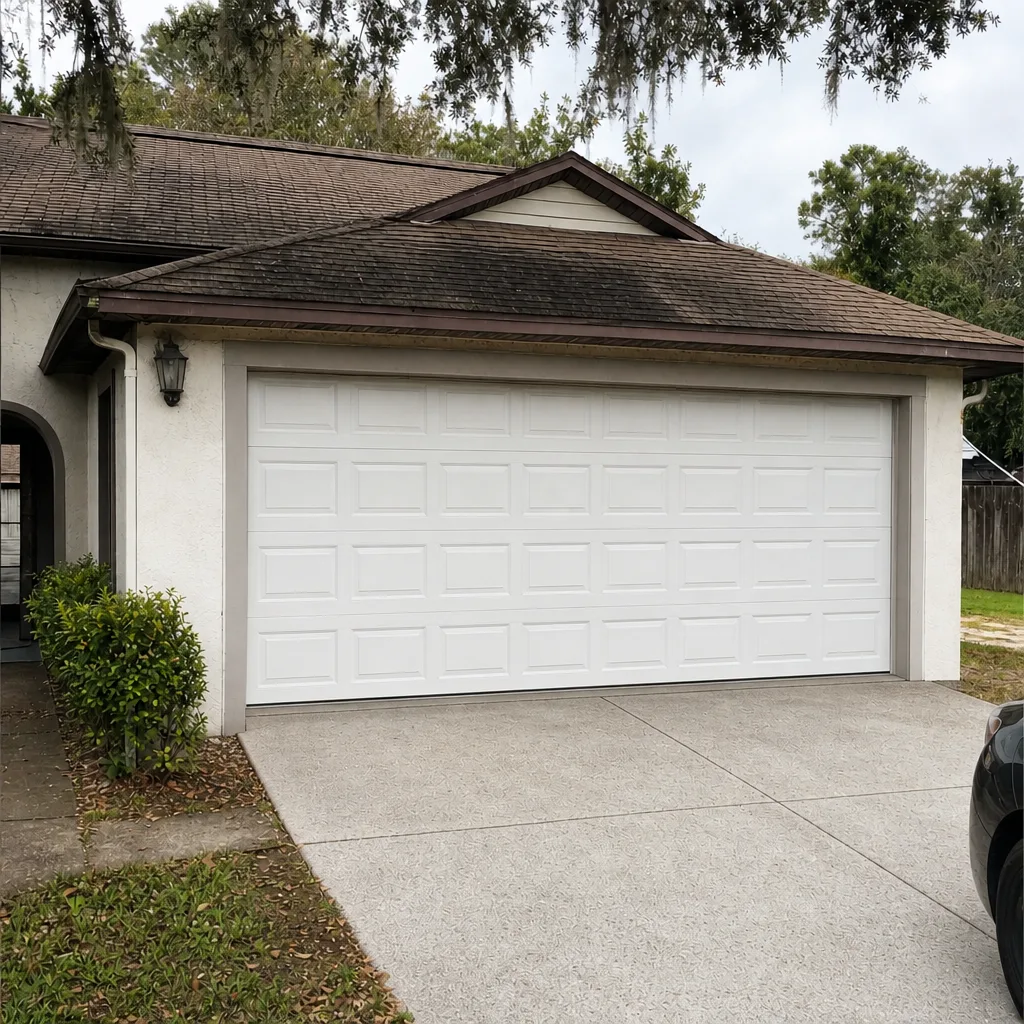 After